“He Changed into a Woman and Dribbled the White Men!” — Ibori Remembers Alamieyeseigha as Niger Delta Still Searches for Leaders to Fight for Resource Control, While Oil Communities Ask: What Happened to the Promise of Development?
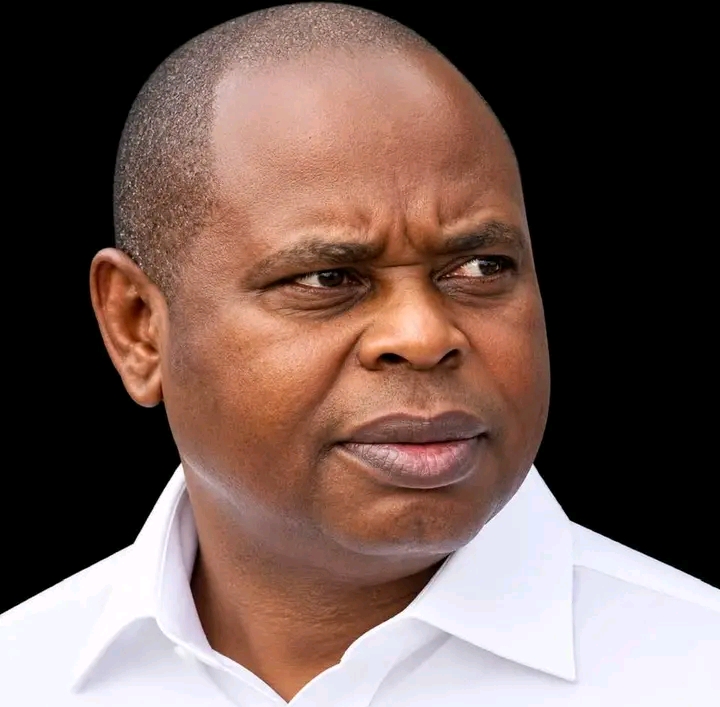
Former Delta State Governor, Chief James Onanefe Ibori, has paid an emotional tribute to his late Bayelsa State counterpart, Chief Diepreye Solomon Peter Alamieyeseigha, describing him as a courageous figure whose memory and political legacy remain deeply rooted in the struggle for resource control and the development of the Niger Delta.
In a tribute commemorating Alamieyeseigha, who died on October 10, 2015, Ibori expressed the view that the Niger Delta continues to need leaders with the courage, conviction, and fearless spirit associated with the former Bayelsa governor.
"Deprieye Solomon Peter Alamiesegha — Gone, but never forgotten," Ibori wrote, lamenting the loss of a political ally whose name remains closely associated with the region's agitation for greater control over its natural resources.
"The Niger Delta is still in search of men with your kind of courage, conviction, and fearless spirit. Your memory lives on, and your legacy will never be erased," he added.
The tribute has renewed reflections on a defining period in Niger Delta politics when resource control, true federalism, and the equitable distribution of Nigeria's oil wealth dominated political discussions across the oil-producing region.
Ibori, Alamieyeseigha and the Niger Delta Resource Control Struggle
Alamieyeseigha, popularly known as Alamco and remembered by admirers as the "Governor-General of the Ijaw Nation," served as Bayelsa State governor from 1999 until his removal from office in 2005.
His political career coincided with an era of heightened agitation over the control of petroleum resources, environmental degradation, inadequate infrastructure, and the perceived marginalisation of oil-producing communities.
Alongside political figures such as Ibori, Alamieyeseigha became associated with demands for a fairer federal arrangement in which oil-producing states and communities would exercise greater influence over the resources extracted from their territories.
Supporters of the two former governors have described them as political allies who helped push resource control into the centre of national debate, particularly during the administration of former President Olusegun Obasanjo.
For many people in the Niger Delta, the struggle was about more than government revenue. It was also about the right of oil-producing communities to benefit meaningfully from the resources extracted from their land and waterways.
The movement raised fundamental questions about fiscal federalism, environmental justice, development, and the relationship between the federal government and Nigeria's oil-producing states.
Although the region's development challenges remain subjects of intense public debate, Alamieyeseigha's supporters continue to remember his role in the political mobilisation surrounding these demands.
The Governor Who Returned Home in Disguise
Beyond his role in Niger Delta politics, Alamieyeseigha's life became the subject of international headlines in 2005 following his arrest in the United Kingdom over money-laundering allegations.
According to a report published by The Guardian on November 23, 2005, the former governor had been arrested at Heathrow Airport in September that year after British authorities accused him of money laundering. The report stated that investigators had found approximately £1 million in cash at his London residence and identified properties reportedly worth £10 million in his name.
He subsequently returned to Nigeria after leaving the United Kingdom while on bail, forfeiting a reported £1.25 million bail bond.
His dramatic return generated widespread attention after reports emerged that he had disguised himself as a woman to evade British authorities. Nigerian media reports at the time described a journey through continental Europe and Cameroon before he returned to Bayelsa.
The episode became one of the most extraordinary political stories in Nigeria's Fourth Republic, earning him both admiration among some supporters and criticism from others.
While supporters celebrated his return as a dramatic defiance of foreign authorities, critics raised questions about accountability, the rule of law, and Nigeria's response to corruption allegations involving public officials.
The Economic and Financial Crimes Commission, under its then chairman, Nuhu Ribadu, indicated that it would pursue the matter.
Alamieyeseigha's political legacy therefore remains complex, combining his association with resource control and Niger Delta advocacy with the controversies that marked the final years of his governorship.
'We Were the Robin Hood Musketeers of the Niger Delta'
Ibori's tribute has also prompted emotional reactions from people who remember the political atmosphere of the late 1990s and early 2000s.
One supporter described Ibori and Alamieyeseigha as the "Robin Hood musketeers of the Niger Delta," arguing that some of the benefits enjoyed by the region today were connected to the struggles undertaken by political leaders of that era.
Another admirer praised Alamieyeseigha as a freedom fighter who stood firm amid what the supporter described as national intimidation during the resource control agitation.
For some observers, the two former governors represented a period when political debates about the Niger Delta centred on resource ownership, fiscal arrangements, and the development of oil-producing communities.
Others have urged the public to assess their legacies beyond expressions of admiration, arguing that historical figures should be remembered alongside critical examination of their decisions, achievements, controversies, and consequences.
That tension between public celebration and historical scrutiny remains central to the debate surrounding Alamieyeseigha's place in Nigerian political history.
A Legacy That Continues to Divide Opinion
Alamieyeseigha died on October 10, 2015, at the age of 62. Reports at the time attributed his death to cardiac arrest following complications associated with chronic kidney disease, diabetes, and hypertension.
Ten years after his death, his name continues to evoke different emotions across the Niger Delta.
To many of his admirers, he was a bold political figure who helped amplify the region's demands for resource control and greater participation in decisions concerning its oil wealth.
To critics, his public record cannot be separated from the corruption allegations and legal controversies that overshadowed his time in office.
Both perspectives form part of the historical record that any serious assessment of his life must consider.
His death also raises a broader question for the Niger Delta: to what extent have the political struggles of his generation translated into lasting improvements in the living conditions of oil-producing communities?
Despite decades of oil production, debates over environmental degradation, unemployment, infrastructure, access to social services, and the equitable distribution of petroleum revenues remain significant across the region.
For residents who continue to confront these challenges, the value of any political legacy ultimately depends not only on the courage attributed to its bearer but also on the tangible and lasting benefits delivered to the people.
Call to Rename Niger Delta University After Alamieyeseigha
Among the reactions to Ibori's tribute was a call for the Bayelsa State Government to consider renaming Niger Delta University in honour of the late former governor.
The supporter argued that Alamieyeseigha deserved such recognition because of his place in Bayelsa's political history and his association with the resource control struggle.
The proposal, however, remains a public suggestion rather than an announced government decision.
Whether such a proposal gains wider support would depend on public debate, historical assessment, and the relevant institutional and governmental processes.
Nevertheless, the suggestion reflects the continuing desire among some admirers to preserve Alamieyeseigha's memory through a lasting public institution.
The Questions His Legacy Leaves Behind
A tribute to a departed leader can inspire admiration, but it can also provide an opportunity to examine the unfinished business of the struggle that defined his political career.
Did the resource control agitation produce sufficient and lasting benefits for ordinary people in the Niger Delta?
Have oil-producing communities gained the level of development, environmental protection, and economic opportunity that generations of activists and political leaders demanded?
And how should history balance a leader's contribution to regional advocacy against the controversies associated with his public service?
These questions remain relevant as the Niger Delta continues to demand accountability, sustainable development, and a fairer distribution of the benefits derived from its natural resources.
For Alamieyeseigha's admirers, the answer begins with remembering a man they believe was unafraid to challenge the established order.
For others, remembering him must also mean examining the full complexity of his political record.
Ultimately, the enduring significance of his story may lie in the issues it continues to raise about leadership, accountability, resource ownership, and the responsibilities of those entrusted with public power.
As Ibori's tribute suggests, Alamieyeseigha has not disappeared from the region's political memory.
But beyond the tributes and nostalgia, the greatest test of his legacy may be whether the Niger Delta can turn the ideals of resource control, true federalism, and equitable development into lasting realities for its people.
May the soul of Chief Diepreye Solomon Peter Alamieyeseigha continue to rest in peace.




0 Comment(s)